 In my previous post I wrote: “. . . one thing Labour was good at over 27 years of devolution was cronyism. That is, using public money to create pointless jobs for party loyalists, and to fund their organisations. To the point where there are now hundreds of these organisations and thousands of jobs“.
Done to extend Labour influence or control into almost every corner of Welsh life.
But not in my wildest, Malbec-fuelled dreams, did I think Labour would prove me right so quickly. (I need a drink!)
◊
DEVOLVING POWER TO KEEP POWER
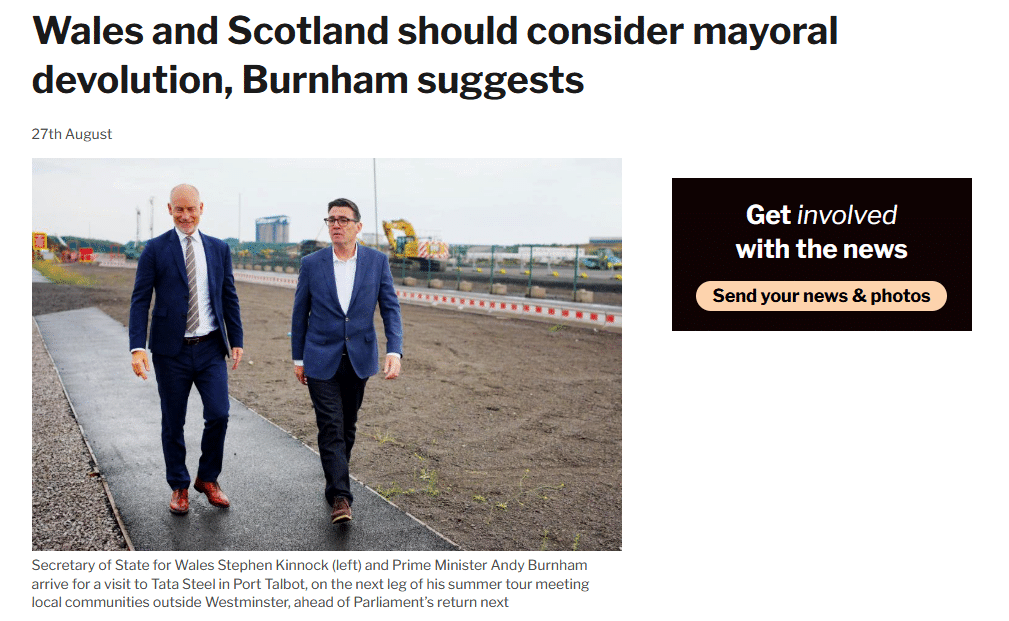
Yet over the weekend, at the Labour party conference in Liverpool, we heard calls from the party in Wales and Scotland to devolve power to local authorities and communities. Now, if I wanted to be generous, I could say that this chimes with what we’ve heard from the unelected Globalist puppet in No 10.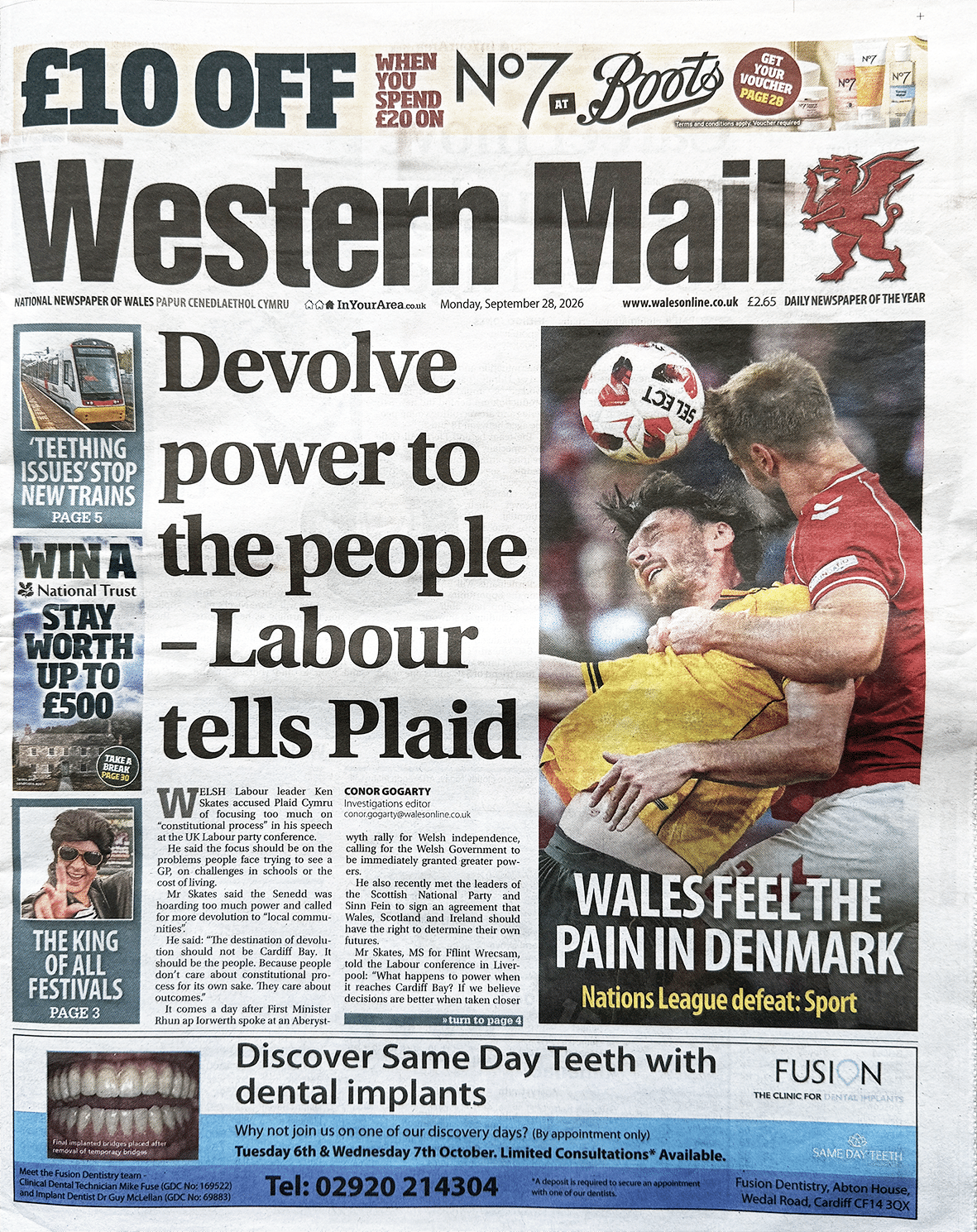
But I don’t feel like being generous. And neither will you after reading this.
Going back to the 1990s, one of the great selling points of devolution – certainly for sceptics within Labour – was that Scotland and Wales would always vote Labour, and so devolved parliaments in Edinburgh and Cardiff could be useful for making life difficult for Conservative governments in Westminster.
And of course, they’d stymie the SNP and Plaid Cymru. (Though the latter was not thought to be a real threat.) Older readers may even remember George Robertson.
In 1995 George Robertson – then the Shadow Secretary of State for Scotland – argued that the creation of a Scottish Parliament would quench the Scottish thirst for the decentralisation of power. Devolution, according to Robertson, would kill the idea of an independent Scotland “stone dead”
The SNP may be less popular following the Sturgeon (and hubby) years, but it’s hardly stane deid, eh, George.
We must also remember that the Tories were in power from 1979 until 1997, which encouraged the thinking I just outlined. And so devolution became Labour policy before Blair was installed as PM in 1997.
Even so, there were those who went along reluctantly with this constitutional change, maybe even Blair himself. And many within Labour – certainly in Wales – who were vehemently opposed.
Perhaps what these diehards realised, or what Labour strategists failed to factor into their calculations, was that many who voted Labour in Scotland and Wales did so in the hope of avoiding a Conservative government in London, rather than from any great love for Labour.
And while devolution offered a kind of ‘filter’ to direct London rule it also meant no threat of Tory administrations in Edinburgh or Cardiff, which allowed voters to relax, even ‘shop around’.
Here we are in the autumn of 2026: Labour hasn’t been in power at Holyrood since 2007, and has just lost control of the Senedd. To compound Labour’s problems, we have an unpopular Labour government in London, polling consistently under 30%, led by a phoney whose gloss is wearing off fast.
You can therefore understand why Labour now wants to devolve power away from Edinburgh and Cardiff. But to where? And to whom?
◊
LOCAL GOVERNMENT
The situations of Scotland and Wales are different, but as this blog is about Wales we’ll consider who power might be devolved to here.
The obvious place to start is the level of government below the Senedd, which is our local authorities. All twenty-two of them, and all 1,234 councillors – in a country of just over three million people!
Maybe it’s also worth mentioning the 730 community and town councils, which are served by over 8,000 community and town councillors.
The three major cities, Cardiff (pop 382,000), Swansea (249,000) and Newport (169,000), all have Labour-majority councils. The third largest local authority, by population, is Rhondda Cynon Taf (241,000), which is also run by Labour.
Four other councils in the south are Labour controlled; with a combined population of 485,000. Adding them together gives us some 50% of the country’s population.
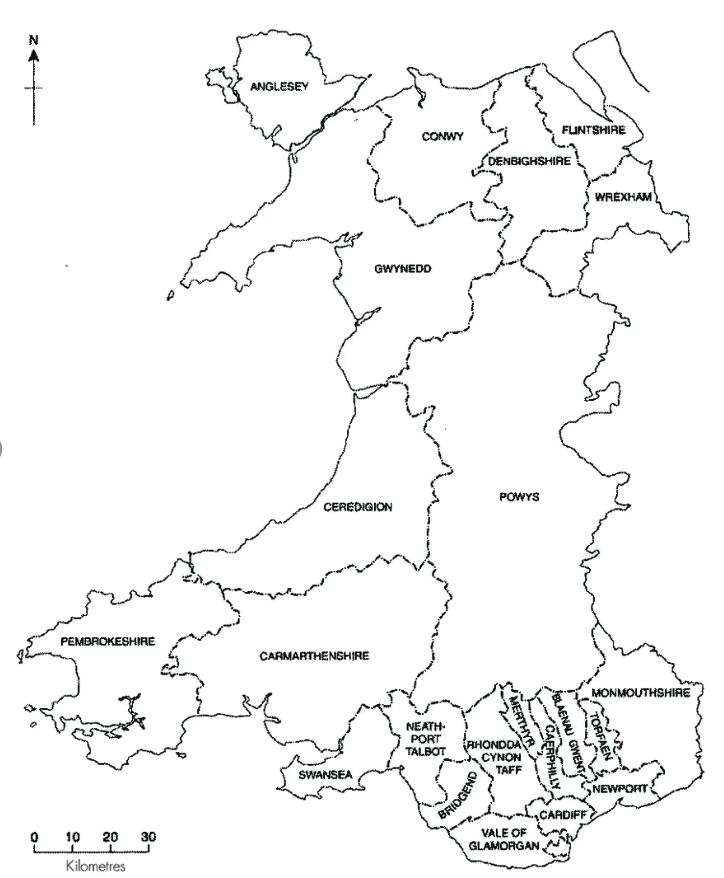 In Monmouthshire, Labour’s the largest party, but with no overall control. There are Labour minority administrations in Flintshire and the Vale of Glamorgan. In Merthyr, Labour and Independents are tied. No overall control in Neath Port Talbot, Conwy, Denbighshire. With Plaid running things in Gwynedd, Ceredigion, Ynys Môn, and Carmarthenshire.
Elsewhere, Pembrokeshire is fought over by competing gangs of Independents. The Lib Dems are the largest party in Powys. While in Wrexham it’s a coalition between Independents and Conservatives.
It’s easy to see how devolving power away from Corruption Bay to local authorities could benefit Labour. For with Plaid Cymru ruling it’ll be they who’ll get blamed by sub-Senedd level Labour for everything that’s wrong in Wales.
But it doesn’t begin, and certainly doesn’t end, with local authorities.
◊
CRONYISM RULES!
Now I’ll turn to the cronyism referred to at the start. This is power and influence that’s less obvious than local authorities because there are no elections, and party labels are not obvious.
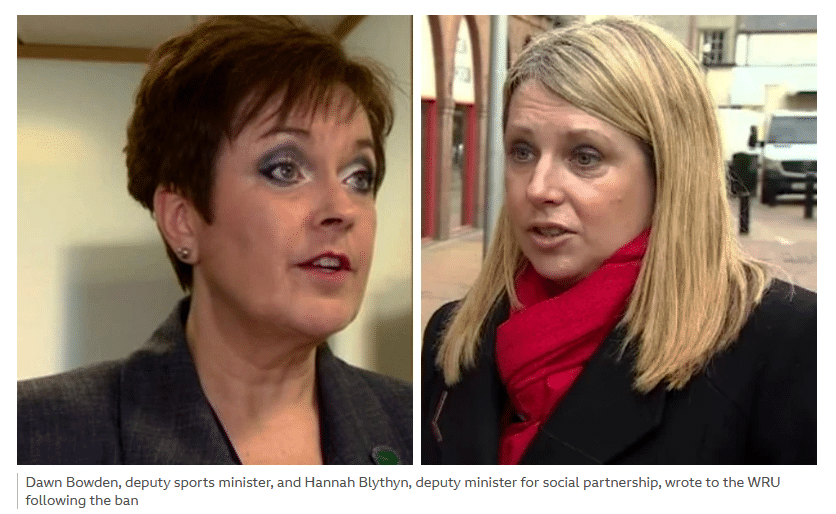
As I said, Labour spent 27 years of devolution building networks that would support the party. Or else corrupting organisations, often through funding, and bending them to do Labour’s bidding. For example, if you want to understand the chaos at the Welsh Rugby Union, it can be traced back to the WRU saying that biological males would not be allowed to play against women.
That outraged certain Labour Senedd Members, and so the wheels were set in motion.
Let’s also remember the housing associations, many of which are controlled by Labour loyalists. One example would be Wales & West, our biggest provider of social housing.
But it’s no longer just housing associations, and social housing, for many of them now have subsidiaries, which seem to focus on building open-market private housing. Even leasehold properties. Wales & West has Cambria Maintenance Services Limited, Enfys Developments Limited, and Enfys Homes Limited.
Google AI says of the last named:
Enfys Homes Limited: Focuses on mixed-tenure developments to deliver extra affordable housing without requiring grant subsidies.
The bit about grant subsidies may be right. But funding goes to the parent body from the so-called ‘Welsh Government’ and is then diverted to the subsidiary.
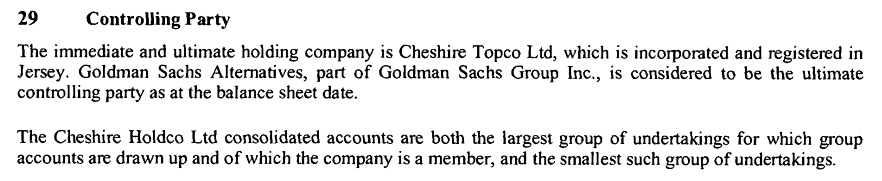
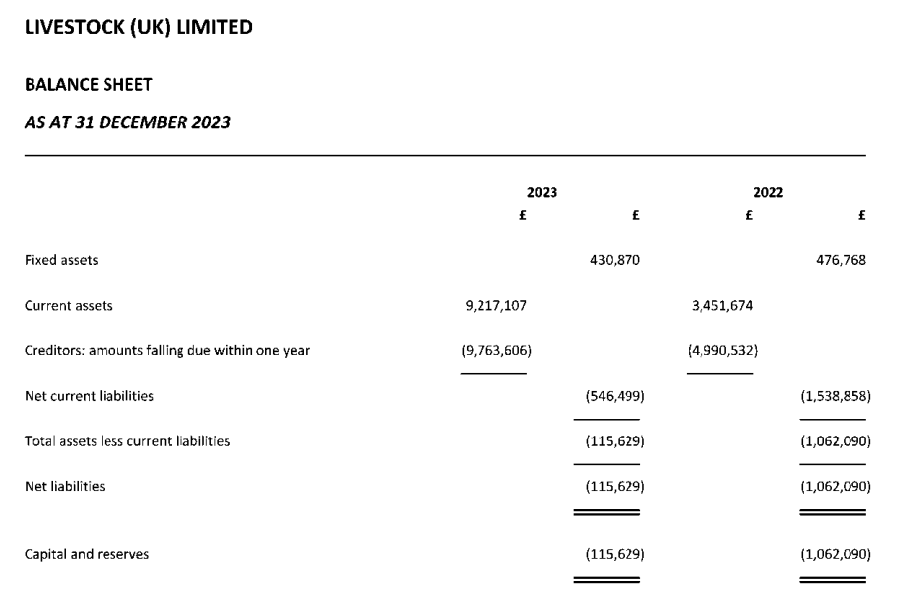
There are thirty housing associations registered with Community Housing Cymru. Most, if not all, have subsidiaries. And those subsidiaries, which we hear less about, rely on funding from their parent body. Something we are never told.
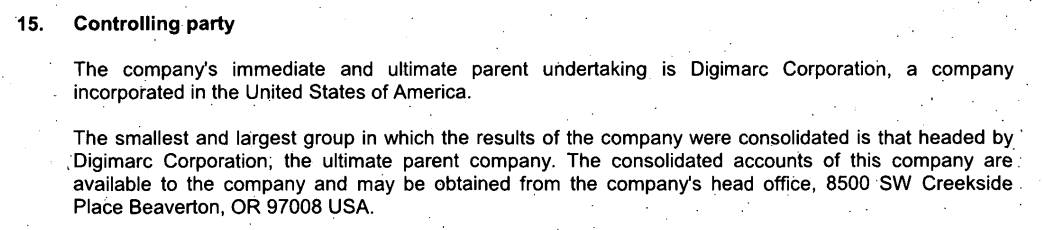
As we see with the latest accounts for Enfys Developments Limited.
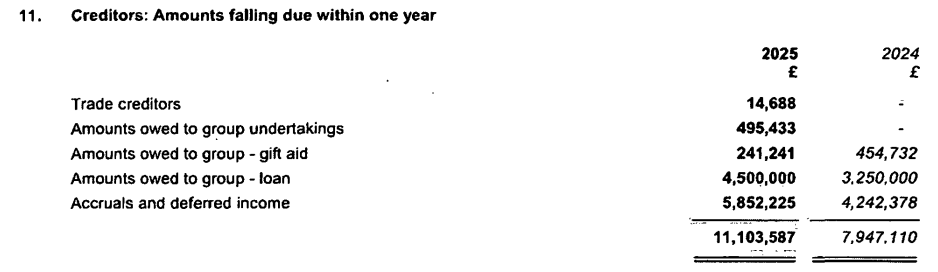
What a strange set-up this is. I’m waiting for the response to a FoI request I submitted, and I might do a piece on these providers of social housing.
Next, we must consider our health boards. Labour spent many years emplacing trusted people. Whether these were capable of running a health board may never have entered the comrades’ collective thinking.
Then there are the countless third sector outfits and charities. And the duplication involved. Which means funding dozens of organisations to do basically the same job.
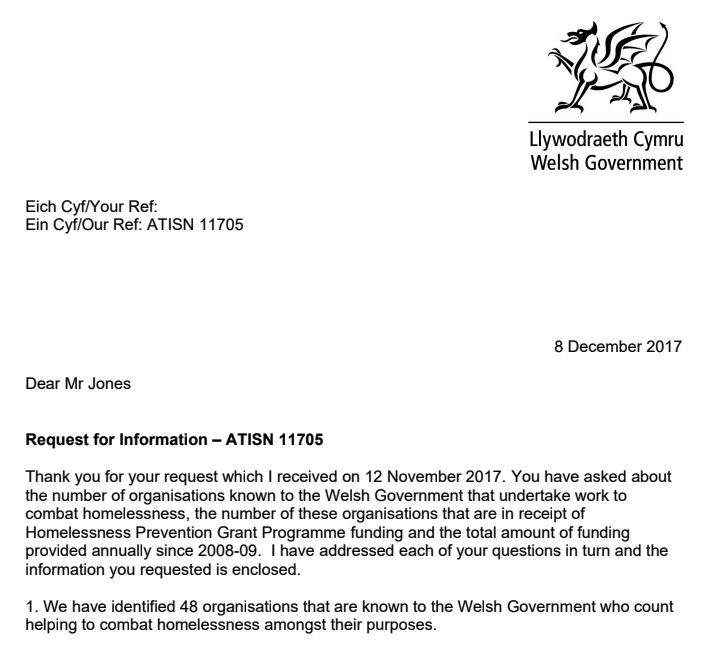
One example is homelessness. In a reply to a FoI request I was told that Wales had 48 organisations ‘tackling homelessness’ – in a country of just over three million people and less than 200 miles from one corner to the opposite corner.
In addition to the homelessness racket there’s the race racket, which is catching up fast in these days of enforced diversity. Though you have to wonder if there might not be a symbiotic relationship between the two.
One established outfit in the race racket is BAWSO. Here’s how it bills itself:
Bawso provides practical and emotional prevention, protection and support services to Black Minority Ethnic (BME) and migrant victims of Domestic Abuse, Sexual Violence, Female Genital Mutilation, Forced Marriage, Honour Based Violence, Modern Slavery and Human Trafficking.
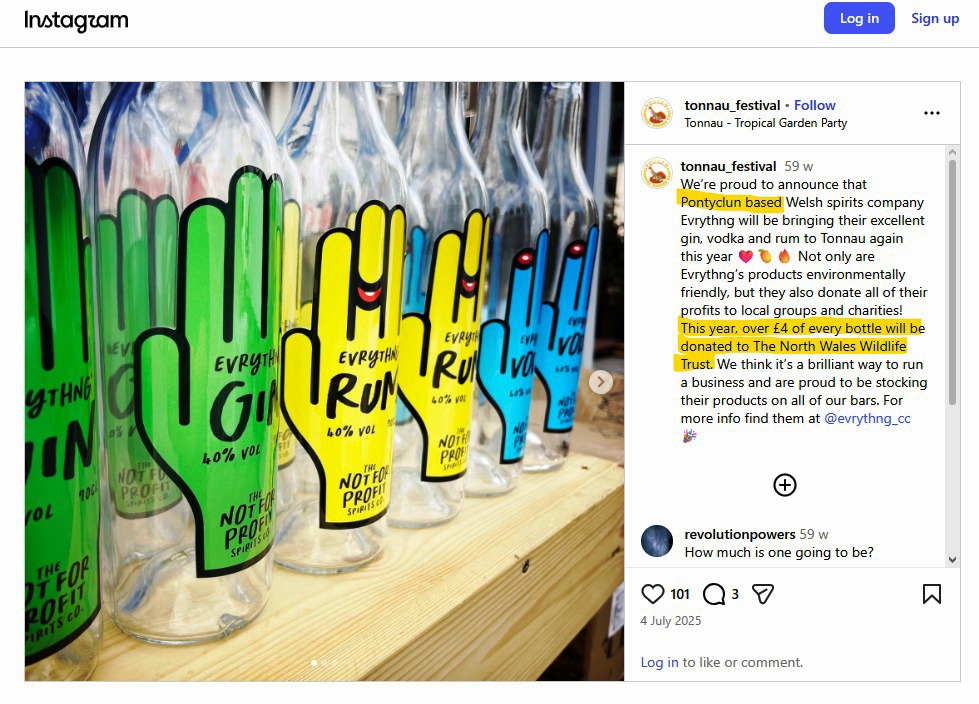
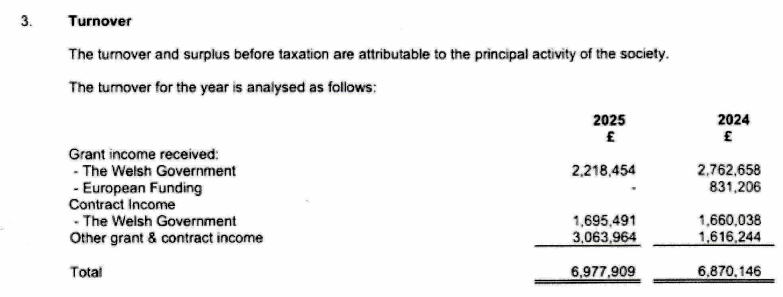
BAWSO gets over £3.5m a year from the ‘WG’ alone in grants and contracts. For many, many years it was the fiefdom of Mutale Rose Merrill. Under her leadership BAWSO built up quite a property portfolio. (It’s alleged her personal portfolio is also quite impressive.)
Even hubby got in on the third sector racket. For Labour put Travers Merrill in charge of the doomed Rhondda Life. But why worry – it’s only public money!
The thing to remember about third sector bodies, charities, and others in the various rackets is that they must never solve the problem they were set up to tackle. Because to do that would mean an end to funding and the loss of many cushy jobs.
So it serves their purpose to invent or exaggerate problems. ‘Homelessness is rising’, or ‘racism is rampant and increasing’, means more funding and more jobs. Almost an economy in itself. And all funded from the public purse.
I swear to God someone could launch a third sector body that claimed to offer counselling to the non-binary yak herders of Ceredigion – and there’d be funding available with few questions asked! (For let’s not forget the gender racket.)
And then of course we have the Future Generations legislation. For all the bodies we’ve looked at must dutifully obey the commandments inscribed into the tablets received from the Future Generations Commissioner.
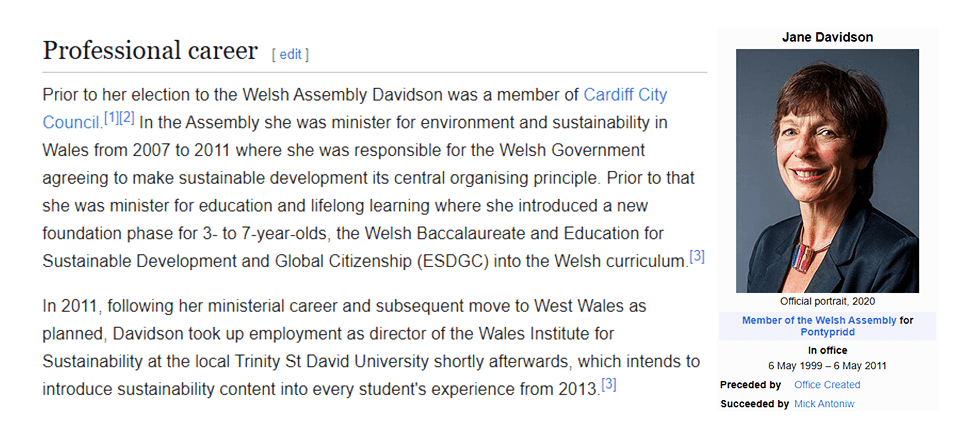
The first to fill that post was Labour stalwart Sophie Howe, daughter of a Cardiff councillor. She has since moved on to launch her own business, and she’s also joined a host of ishoo-mongers including Coleg Soros.
She was replaced by another Labour apparatchik in Derek Walker. Who’d led another What-the-fuck-is-that-about group in Cwmpas. Which seems to be people with no experience in business giving advice to businesses.
But when you look at who they ‘help’, these are not genuine businesses as you or I might understand that term. In the main, they’re just more third sector gangs.
Though in recent years it’s ceased to be exclusively Labour. Here’s an image from the Our Services section of the Cwmpas website.
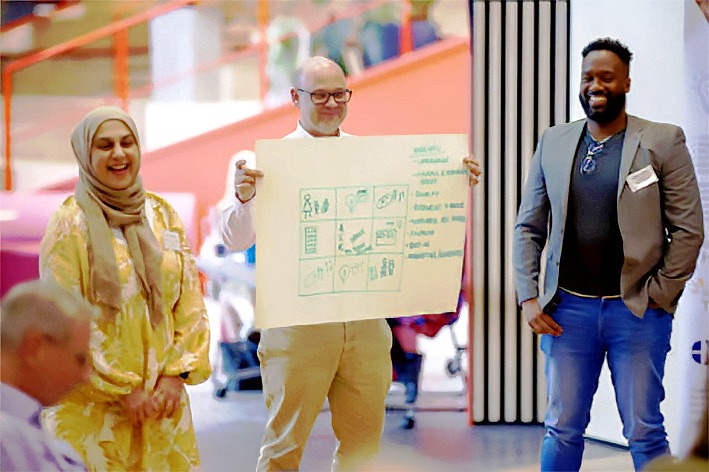
I know what you’re thinking – who da honky? You don’t recognise him! It’s one of our new Plaid Cymru Senedd Members, Mark Hooper. The Deputy Minister for Transport who believes in “actively discouraging car use“.
And if you think that’s worrying, Hooper’s boss, Dr Dafydd Trystan Davies, promised to ditch his car when he was elected. If he’s just dumped it somewhere then I expect to see him arrested and charged with being a sanctimonious and insufferable little git.
Yes, indeed, as George Carlin so memorably put it: “It’s a big club, and you ain’t in it” – unless you belong to a Globalist-left party.
◊
CONCLUSION
As I just suggested, on most issues you can’t get a fag paper between Labour and Plaid Cymru. Whether it’s climate, open borders, re-joining the EU, DEI, ‘trans rights’, or any of the other issues designed to weaken the West and increase the power and wealth of supranational elites.
But voters realising there’s little difference between the two is no good for either party, so minor differences must be exaggerated and new ones invented. And there are of course areas – like independence – where Labour and Plaid do disagree.
So devolving power out of Cardiff might just be something dreamed up to remind punters that Labour in Wales is different to Plaid – and here’s a policy to prove it.
But if Ken Skates, Kinnock, Burnham and others, are serious about devolving power within Wales then a good place to start would be moving the Senedd out of Cardiff. For all devolution has really achieved is allowing Cardiff to enjoy some of the capital benefits London has always enjoyed.
Moving the Senedd could be funded by cutting the number of local authorities from twenty-two to the eight we knew in the days of two-tier local government.
More money could be found by reducing the number of housing associations. Having thirty, plus subsidiaries, is insane. Or why not do away with them altogether and hand the responsibility for social housing back to eight local authorities?
Finally, there’s the morass of the third sector. Hundreds of publicly-funded bodies, most doing work of no discernible public benefit, with dozens of almost indistinguishable gangs fighting turf wars in each and every sector.
But for Labour to agree to anything I’ve suggested would mean weakening the party’s crony network. And that would defeat the object of calling for ‘greater devolution’.
There’s a big test here for Plaid Cymru. They could devolve out of Cardiff, and fund it as I’ve outlined. But if Plaid was to suggest that then Labour would oppose it.
Reminding us yet again that Labour will always act in its own selfish interests.
♦ end ♦
© Royston Jones 2026