
 This is a guest post by Gruffydd Meredith. It considers important but overlooked aspects of the housing crisis in Wales.
For while holiday homes get most of the attention the problem of properties being bought for other reasons tends to slip beneath the radar. I’m thinking now of properties bought by those settling permanently in rural and coastal areas.
These will often be retirees (who seem to get younger every year), people making a lifestyle choice, those who’ve bought a local business (most of which are now sold online), and others moving to Wales for a whole range of reasons from white flight to health considerations.
And the effects go beyond housing. All the way from village schools closing to social tensions as newcomers try a little too hard to ‘involve themselves’ in village life, with this being perceived by many locals as ‘taking over’.
Take it away, Gruff . . .
♦
It was good to see the discussion following an article I wrote which was published on Nation.Cymru on November 20th 2021, titled ‘Why only 10% of Welsh housing should be on the open market’. There were a great deal of important questions and comments made in response.
The basic premise of the article is this; that Wales should follow the example of the island of Guernsey (and many other countries such as Switzerland and New Zealand) and that all Welsh housing should be divided into two basic groups; a 90% group for the local / national priority market for the present and long term resident citizens of Wales, and the remaining 10% group for the open market and for anyone to buy – with local authorities across Wales also deciding annually how much of the 90% local/national priority market would be available for citizens within the local authority and how much would be available to citizens from the rest of Wales. The 90% / 10% ratio would be an approximate figure to aim for and would unlikely be arrived at perfectly all the time of course.
Ultimately we’re relying on those elected to come up with decent policies and laws in this and other areas but I’ll use this opportunity here to try and respond to some of the main comments, questions or concerns made in response to the original article in the hope of adding to a constructive discussion.
◊
How would you separate the open market housing from the local/national priority housing? How do you decide which property is in which category?
Like in Guernsey, this plan wouldn’t happen overnight. In Guernsey, these two separate priority and open market groups gradually came in after the Second World War with the Housing Control law 1948, when locals were getting pushed out and priced out of the market after the war – it’s taken them many years to gradually develop the two different markets in a rational and reasoned way so that when people buy and sell property in Guernsey they know what sector they are buying or selling in to. And it has naturally developed that open market housing tends to often be more expensive than those on the local priority market. The same could happen in Wales in my view. And if introduced in Wales there will be a transition period to give people plenty of time to know which group they’re buying or selling in to.
The plan obviously wouldn’t be retroactive, wouldn’t affect existing homes or those already living in Wales whomever they are, and would only come in to action at a pre determined point in the future where both home sellers and buyers in the local/national priority or open market group would know which market they are in or out of. So if a new housing law was passed stipulating the two different markets, both house sellers and house buyers in the future would know what they were doing. If existing home owners never want to sell their home then nothing would change anyhow.

In terms of how do you determine which home goes in to which category, I’d propose this as a starter:
It should be fairly straightforward to create a housing act that ensures that most new homes (although not all of course – some could also be in the open market sector) being built in Wales fit in to the local/national priority housing group – new homes that would then retain this local and national ownership priority clause in perpetuity should they be sold again the future.
When it comes to existing homes I’d propose that as a guide, like in Guernsey, a large amount (although not all) of the existing homes on the open market, would tend to be the more expensive homes above a certain rateable value – homes that are, say, over £400,000 in value (this is a suggested example – this figure could also be lower of course). Four hundred thousand pounds is also the point where the Welsh Transaction Tax changes from 5% to 7.5% which might make this a potentially useful place to introduce a small increase. So this housing law wouldn’t affect most of these homes above a suggested figure such as £400,000 or their owners if they wanted to sell their home at any point, which they could do on the open market as they wished and exempt from any housing controls.
This would mean that most homes generally below this example value of £400,000 (adjusted depending on inflation etc.) would then stay in the local/national priority group in perpetuity – therefore enabling a great deal more people to buy affordable homes within their own areas. A team of experienced valuers and deliberators including appointed estate agents within each local authority could fairly determine a balanced approach to decide on these two markets and to engage positively and constructively with home owners and buyers – a team that would also be accountable to the democratically elected local authority.
◊
What would be my incentive to take part?
Financial incentives could also be offered to the home sellers taking part in the local/national priority scheme. They could be awarded for selling the homes to the priority market at a more affordable price by being guaranteed an upfront set sum from a pot coming from the extra council tax raised on holiday/second homes for example. This way, sellers wouldn’t be out of pocket and their conscience would be clear (if they had one!).
This incentive could also be made even more appealing if sellers in the priority group could also receive some of the Welsh Transaction Tax paid by buyers for homes above £400,000 in the open market group. This tax could perhaps be slightly and reasonably increased – raised from, say, 7.5% to 9% – generating more funds for this scheme and further compensating house sellers who are within the local/national priority group – this more than making up and perhaps exceeding any difference between an affordable local price and the potential market price. A similar arrangement could also be made when it comes to capital gains tax although that tax is not yet transferred to the Welsh Government. Welsh estate agents could also receive a reasonable percentage from the pot for each house sold (on top of their normal commissions) for making sure that the two different housing markets are properly regulated and administered.
And it might be reasonable that house sellers in the priority group who haven’t found a buyer after a certain time (perhaps after 1 or 2 years as a suggestion) could then sell on the open market.
◊
How would you decide who is able to live where? What gives you the right to decide? Is this racist/sexist/some other ism or ist?
No, this plan isn’t any of the ists or isms and isn’t anti anyone. Nothing would change for anyone already living in Wales – wherever they are from in the world, whether that be Wales, Poland, Kenya, England or Timbuktu. All people who want to move to Wales after the date of the law being enacted would be treated equally. And whether you consider yourself Welsh, Welsh-British, British, English or any other ethnicity, nationality or identity and already live in Wales, this wouldn’t affect you or your home. The new plan would come in to being at a future date and then gradually develop over time as new homes are built and home sellers and buyers take part if buying or selling.
After that future point in time where the new law will come in, any person not already living in Wales having been offered a full time job in Wales who couldn’t find a house on the open market would also be eligible for a house in the priority market. As would any partner, wife or husband and any children. And as would those giving long term care for a family member or partner in Wales. Self employed people who could demonstrate that their work would benefit and contribute to the Welsh economy specifically could also be eligible.
And, like also happens in Guernsey, anyone could also rent in Wales following the same law as that for house buyers or sellers. And once anyone had rented a place in Wales for ten years they would be considered permanent Welsh resident citizens and therefore eligible to buy on the 90% priority market (unless they’ve already managed to rent or buy a place on the 10% open market).
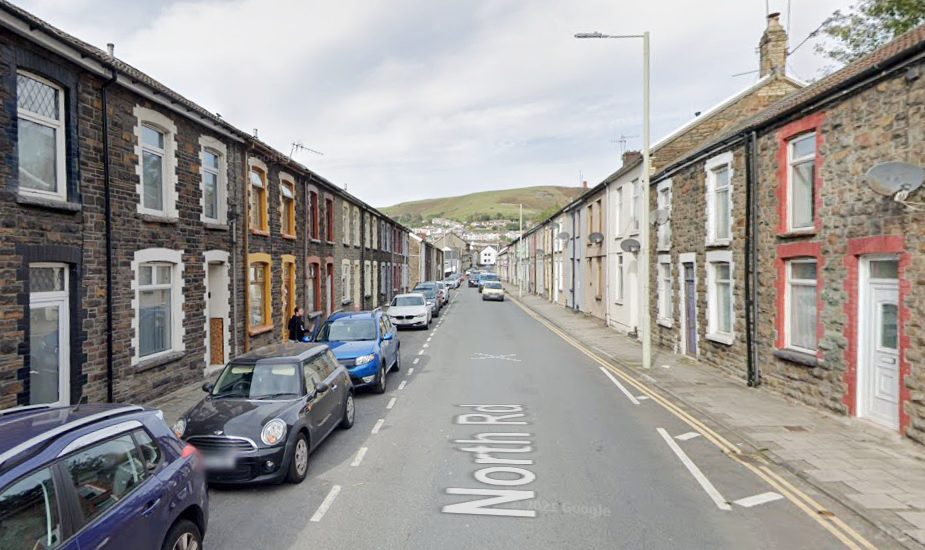
Social housing could also follow similar priority/open market lines. There needs to be emergency social housing for those that really need it of course, but exploitation of this system has to be stopped to ensure that it’s only those that genuinely need emergency housing that are given it and that local authorities from outside of Wales also don’t fail in their own responsibilities and unfairly pass on the buck by sending people to live in social housing in Wales simply because it’s a cheaper or nicer place to live.
Land ownership laws should also follow similar lines in my view, as many countries such as New Zealand are now also instigating. The present situation of global corporations and financial investment firms buying up Welsh land on a large scale is nothing but very disturbing modern colonialism and land grabbing by modern day robber barons that needs urgent stopping.
Buyers and renters from outside of Wales could also be able to buy or rent a more relaxed, higher capped percentage of apartments and condos in apartment blocks etc. in the bigger towns and cities of Wales. The Swiss government for example, have decided that non-Swiss citizens can still own up to 50% percent of units in large, newly built apartment buildings, which are treated in a slightly more relaxed way in comparison to residential or family homes – whilst general residential properties belonging to non Swiss citizens, are limited to 20% of the housing stock in any Swiss community. The same could apply in Wales, giving a fair and balanced opportunity for all that want to live here and those that already live here.
The vast majority of countries and states in the world, including the present UK state, have tight control on housing and who can live there or not. Wales is a country in its own right and with its own legislative parliament and government, and is no different to any other country.
◊
Not sure about a citizen of Wales being someone who had lived here for ten years… What if you were a nurse who didn’t have a Welsh parent but did have a job? Would you be forced to rent for ten years before being allowed to buy a “home for locals”. Seems rather unfair.
As mentioned, if you had a full time job or an offer of one in Wales I believe it would be reasonable that you should be able to buy or rent within both the priority local/national market or open market group regardless of anything else.
◊
Who counts as a citizen of Wales?
Anyone who lives in Wales can be said to be a de facto citizen of Wales and Welsh law will apply to you whether you’re a person who’s lived in Wales for three months, three years or have always lived here and can trace your heritage to Wales since time immemorial. So when the specific date of this proposed law would come in, whether you’ve already lived in Wales for three months or a hundred years (many congratulations on that if so), whether you are Icelandic, Senegalese, Japanese, Scottish or English, nothing would change and no one would be chasing you out of the country with a broomstick or any other implement.
For the purpose of present or future priority housing eligibility after the official start of the proposed policy, the permanent resident citizens of Wales can be defined as people who were either born in Wales and have at least one parent born in Wales or people who have lived in Wales for a total of at least ten years in any given period/s (or have a full time job here or are long term carers for partners/relatives etc.). Those buying on the open market wouldn’t need any eligibility.

If you already own your own home in Wales you would keep your existing home and nothing would change. The only thing that would change under this proposal is that your home, if generally under a certain designated value as mentioned, would likely fall within the local/national priority group if you decide to sell in the future, for which you would be compensated to ensure the value would be around the open market price. And, after the law would be enacted, unless otherwise eligible, new people moving to Wales would need to wait ten years for eligibility to buy on the priority market unless they managed to find one on the open market. If someone had already been living here for 8 years and don’t meet the other eligibility criteria then they would need to wait another two years to become Welsh permanent resident citizens and be able to join the priority market if they want to buy a new place (unless they can find a house on the open market that is).
These points, I’d argue, give a good balance between those who are existing residents and/or have long term connections or family heritage in Wales, and those who have come here more recently and want to make Wales their home – I believe this type of plan would be beneficial to all involved. Stipulating a ten year period or ‘born here with a Welsh born parent’ – similar to the system in Guernsey and Japan as a few examples of many – should stop people exploiting the policy by travelling to Wales to have a child/children here before leaving again knowing that their child would be guaranteed a home in the future. As mentioned, the other 10% of open market housing would stay the same and would have no restrictions whether you are a Welsh permanent resident citizen or not.
◊
Isn’t this kind of bad idea? Imagine the uproar if the English brought in a rule that 90% of homes are allocated only to English people. I can see the headline… “Welsh man trying to buy a home in London due to moving for work not allowed because he is Welsh.”
No, the principle would be fine and fair enough in England as well in my view, although this proposal suggests that people who work or have a full time offer of work in Wales should be able to buy a house or rent in Wales on the priority market (and can buy or rent on the open market without restrictions as well if they want).
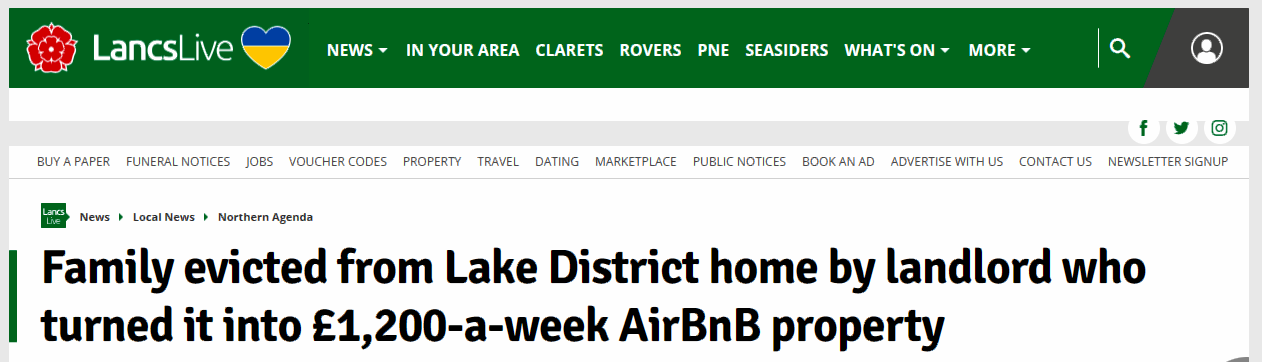
Housing priority rules such as these are already in place in many parts of England such as the Peak District, the Lake District and the North York Moors, and this type of regulation is seen in most of the world’s countries including the Channel Islands (Jersey also has similar housing rules to Guernsey) and the UK state as a whole of course. This is increasingly becoming a global problem which is being tackled.
Although these proposals aren’t just about England and treat all people wishing to move to Wales equally, these issues are also relevant to England and her citizens. English citizens also have a right to have reasonable policies in place and to not be priced out and driven out of their local areas (including in London). As does Guernsey. As does Wales and any other country. Wales and the Welsh Government should, in my view, support a similar proportionate scheme in England and elsewhere if that is what the people of England or elsewhere want.
◊
Rights of peoples and nations under international law
A final point about rights of peoples and nations under international treaty.
As mentioned, the vast majority of countries and states in the world, including the present UK state, have tight controls on housing and who can live there. Wales is a country in its own right, with its own legislative parliament and government, and is no different to any other country. Colonialism is also a crime as recognised in international law and as seen in The Geneva Convention on the Prevention and Punishment of the Crime of Genocide.
No government needs to constantly apologise or justify why they work to have the interests of the country and the citizens of that country as its main focus. That is supposedly the whole point of a national government and of democracy in the first place and it doesn’t mean that that country is anti anything or anyone or doesn’t care and won’t reach out to others who are in need. We constantly (and rightly) hear protesting against colonialism and imperialism being used against countries and peoples all across the world, many of these seriously marginalised. Yet, according to some it’s perfectly acceptable for this to happen in Wales and if we try and manage the problem then we are somehow the narrow minded extremists.
I would suggest that it is those who strongly oppose any management of this issue and condone mass colonialism are the ones who are pushing narrow minded and dangerous extremism. We the citizens of Wales, whomever and wherever we are in Wales and whatever our background and origin, also have a right not to be colonised or be displaced from our own communities and land.
♦ end ♦